

Table of Contents
- How Automatic Dog Feeders Work and Why Scheduling Matters
- How Often to Feed a Dog: Age-Based Feeding Frequency
- How Much to Feed a Dog: Calculating Daily Portions
- Automatic Dog Feeder Portion Control: Measuring and Monitoring
- Setting Up Your Automatic Feeder: Practical Steps
- Common Mistakes to Avoid and Troubleshooting
- Frequently Asked Questions
Last Updated: October 12, 2026
How Automatic Dog Feeders Work and Why Scheduling Matters
An automatic feeding schedule for dogs is a programmed meal plan delivered by a timed dispenser that releases measured portions at set intervals throughout the day.
Automatic feeders work by storing dry kibble in a hopper connected to a programmable timer and dispensing mechanism. When the scheduled time arrives, the feeder releases a pre-measured portion into a bowl below.
The real value isn't convenience alone. Consistent meal schedules regulate your dog's digestion, metabolism, and bathroom habits. Rather than free-feeding or hand-feeding at irregular times, an automatic feeder maintains the predictable routine dogs thrive on. This consistency helps prevent overeating, reduces anxiety-driven begging, and makes it easier to monitor whether your dog is actually eating, critical information if health issues arise.
Research from the National Library of Medicine's PubMed Central has examined automatic feeders designed to dispense measured meals, showing that individualized food access and automatic dispensing support proper nutrition management.
How Often to Feed a Dog: Age-Based Feeding Frequency
Feeding frequency depends entirely on your dog's life stage. Puppies need more meals daily because their stomachs are smaller and their metabolism faster. Adult dogs thrive on one or two meals per day. Senior dogs may benefit from smaller, more frequent meals to aid digestion. The schedule you choose directly impacts your dog's energy, weight, and overall health.
Puppy Feeding Schedule: Birth to 12 Months
Puppies under 3 months old need four meals daily, spaced roughly 6 hours apart. A typical schedule might be 7 AM, 11 AM, 3 PM, and 7 PM. From 3 to 6 months, reduce to three meals, say 7 AM, 1 PM, and 6 PM.
Portion sizes for puppies depend on breed and expected adult weight. Small-breed puppies (under 25 pounds at maturity) eat roughly one-quarter to one-half cup per meal. Large-breed puppies (over 50 pounds at maturity) may need one-half to one cup per meal. Check your food's feeding guide for exact recommendations based on your puppy's current weight and age.
The transition from three meals to two happens gradually. Drop the midday meal first, shifting the afternoon feeding earlier. Your puppy's appetite and energy levels will guide the timing. An automatic feeder makes this transition seamless, you simply reprogram the schedule without changing your routine.
Adult Dog Feeding: 1 Year and Beyond
Most adult dogs do well on two meals per day, roughly 8 to 10 hours apart. A common schedule is 7 AM and 6 PM, which spreads meals evenly and fits most working schedules. Some adult dogs, particularly smaller breeds with faster metabolisms, do better on a single larger meal, though two meals is generally preferred for digestive health.
Adult dogs typically eat one-quarter to one cup per meal, depending on size, activity level, and food calorie density. A 50-pound moderately active dog might eat one-half to three-quarters cup per meal; a 20-pound dog might eat one-quarter to one-third cup. The key is consistency: feed the same amount at the same times every day.
An automatic feeder locks in this routine even when you're traveling or working irregular hours. The feeder dispenses portions automatically, removing the guesswork and preventing both accidental overfeeding and missed meals that stress anxious owners.
Senior Dog Feeding Adjustments
Senior dogs (ages 7 and up, or earlier for giant breeds) often benefit from two or even three smaller meals daily. Smaller portions are gentler on aging digestive systems and help maintain stable blood sugar. A senior dog that once thrived on two meals might do better on three meals of slightly smaller portions.
Senior dogs also tend to eat less overall as metabolism slows. Portion sizes typically decrease by 10 to 25 percent compared to their prime adult years. However, this varies widely, some senior dogs maintain appetite while others lose interest in food. Monitor your senior dog's body condition and adjust portions accordingly.
An automatic feeder with portion control becomes especially valuable for senior dogs. You can program smaller, more frequent meals without extra effort, and video monitoring lets you confirm your aging dog is actually eating, catching appetite loss early.
How Much to Feed a Dog: Calculating Daily Portions
The correct daily portion depends on three factors: your dog's ideal body weight, activity level, and the calorie density of the food. Most dog foods list calories per cup on the bag. A typical dry kibble contains 350 to 450 calories per cup.
To calculate daily portions, first determine your dog's ideal calorie intake. A moderately active dog needs roughly 25 to 30 calories per pound of body weight daily. A 50-pound dog needs 1,250 to 1,500 calories per day.
Divide the daily calorie target by the calories per cup in your food. A 50-pound moderately active dog needing 1,400 calories eating 400-calorie-per-cup kibble would eat 3.5 cups daily, or roughly 1.75 cups per meal on a twice-daily schedule.
Weigh your dog monthly and assess body condition by feeling the ribs. You should be able to feel ribs easily without seeing them prominently. If ribs are hard to feel under a layer of fat, reduce portions. If ribs are very visible, increase portions.
Automatic Dog Feeder Portion Control: Measuring and Monitoring
Portion accuracy is where automatic feeders truly shine. Unlike hand-feeding, which invites "just a little extra," a programmed feeder dispenses exactly the same amount every time. This consistency is essential for weight management and for identifying when something is wrong with your dog's appetite.
When setting up your feeder, measure portions carefully using a kitchen scale or marked measuring cup. Most automatic feeders have capacity markings on the hopper.
Start with the calculated portion and observe your dog for two weeks. Check body condition weekly by feeling the ribs and looking at the waist from above. A dog with good body condition has a visible waist and easily felt ribs.
Pet Feeder For Cats 6L Automatic Feed Dispenser With Camera →
Video-enabled feeders like our Smart Pet Automatic Feeder Water Feeder at $126.12 let you watch your dog eat remotely. This visibility is invaluable: you can confirm your dog is actually consuming the meal, notice if appetite drops suddenly, and catch behavioral issues like food guarding in multi-dog households.
Setting Up Your Automatic Feeder: Practical Steps
Step 1: Choose Your Feeder Model and Capacity
Select a feeder with capacity matching your dog's daily food volume. A 50-pound dog eating 3.5 cups daily needs a hopper holding at least 7 to 10 cups (enough for two days). Our 6L capacity feeder holds roughly 25 cups.
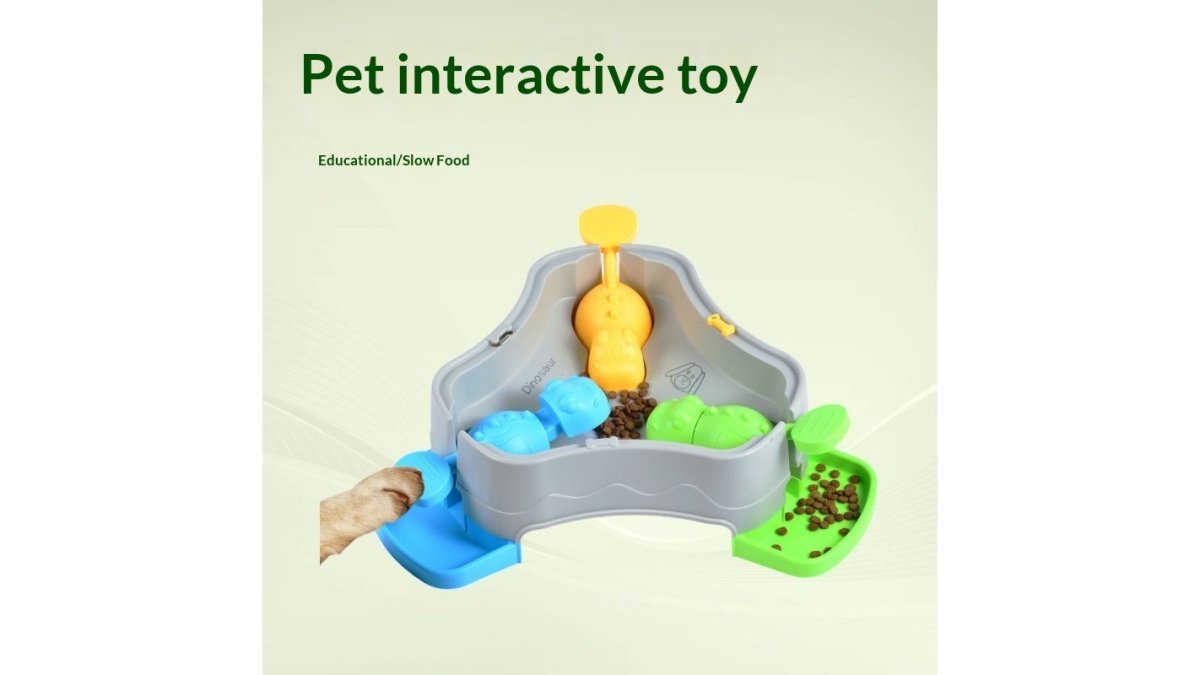
Consider your dog's size and eating style. Smaller dogs work fine with compact feeders; larger dogs may tip smaller models. Some dogs eat slowly and deliberately; others gulp. Slow-feeder designs with puzzle elements, like our Pet Slow Feeder Toy Puzzle Press-to-Feed Dispenser at $10.62, encourage slower eating and mental engagement.
If you travel frequently or feel anxious when away, prioritize video monitoring. The ability to see your dog eat and interact via app transforms peace of mind from "I hope she ate" to "I watched her eat at 7 AM."
Step 2: Program Feeding Times and Portion Sizes
Fill the hopper with fresh food and set your first feeding time. Most feeders allow you to program 1 to 5 meals daily. For an adult dog on a twice-daily schedule, set meals 8 to 10 hours apart, for example, 7 AM and 5 PM.

Enter the portion size in cups or ounces. Start with your calculated amount and resist the urge to round up "just to be safe." Overfeeding is the leading cause of canine obesity, which shortens lifespan and increases joint, heart, and metabolic disease risk. Precise portions matter.
Test the feeder by manually triggering a portion and measuring what dispenses into a bowl. Many feeders have slight variance, they might dispense 0.4 cups when set for 0.5 cups. Adjust the setting to account for this drift. Consistency across all meals is more important than hitting a target exactly.
Step 3: Transition Your Dog Gradually
If your dog is used to hand-feeding or free-feeding, introduce the automatic feeder gradually. For the first week, use the feeder for one meal daily while hand-feeding the other. This lets your dog adjust to the sound and mechanism without stress.
In week two, switch to the feeder for both meals. Watch closely for signs of anxiety: pacing, whining, or refusing to eat. Some dogs take days to trust the feeder; others adapt instantly. If your dog shows stress, slow the transition. Return to hand-feeding one meal and try again in a few days.
During the transition, maintain the exact same feeding times your dog is used to. Consistency reduces confusion and anxiety. Once your dog eats confidently from the feeder at regular times, you can gradually shift those times if needed, but do it slowly, moving meal times 15 minutes earlier or later every few days.
Common Mistakes to Avoid and Troubleshooting
The biggest mistake is overestimating how much your dog needs. Most owners feed 20 to 30 percent more than recommended, leading to gradual weight gain that creeps up unnoticed.
Another common error is inconsistent meal times. Feeding at 7 AM one day and 8 AM the next confuses your dog's digestive system and makes house-training harder.
Some owners worry their dog will learn to beg or manipulate the feeder. This rarely happens if you never hand-feed outside scheduled times.
If your dog refuses to eat from the feeder, troubleshoot systematically. First, confirm the feeder is working and dispensing food.
For multi-dog households, separate feeders prevent food guarding and ensure each dog eats the correct portion. If one dog guards the other's food, feed them in different rooms with doors closed until both finish.
Setting up an automatic feeding schedule for dogs removes daily guesswork while building the consistent routine dogs need to thrive.
Frequently Asked Questions
Can an automatic feeder help keep a dog on a consistent schedule?
Yes. Automatic feeders dispense meals at programmed times, which helps establish a regular feeding routine your dog's digestive system can rely on. Consistent meal timing supports better weight management and can reduce anxiety in dogs that thrive on predictability. The American Kennel Club notes that automatic feeders help maintain consistent meal schedules and portion control, making them especially useful for busy owners or those with unpredictable work schedules.
How often should I feed my dog with an automatic feeder?
Feeding frequency depends on your dog's age. Puppies under 6 months typically need 3-4 meals daily; puppies 6-12 months need 2-3 meals daily. Adult dogs (1-7 years) do well with once or twice daily feeding, though twice daily is often preferable for portion control and digestive health. Senior dogs (7+ years) usually thrive on once or twice daily schedules, adjusted for any medical conditions. Your veterinarian can recommend the best frequency for your individual dog.
What portion size should an automatic dog feeder dispense per meal?
Portion size depends on your dog's body weight, age, and activity level. Most automatic feeders allow you to adjust the amount dispensed per meal in small increments. A general guide: adult dogs typically need 1-2 cups of dry food daily, split across meals. To find your dog's exact portion, check your food bag's feeding guidelines based on weight, then divide by the number of daily meals. Monitor your dog's body condition weekly and adjust portions if your dog gains or loses weight.
Is it okay to feed my dog once a day with an automatic feeder?
Once-daily feeding works for some adult dogs but isn't ideal for most. Twice-daily feeding distributes calories more evenly, supports better digestion, and helps prevent hunger-related stress or begging behavior. Dogs fed once daily may experience an empty stomach for extended periods, which can cause discomfort or acid buildup. Most veterinarians recommend twice-daily feeding for adult dogs unless your vet advises otherwise for a specific medical reason.
0 comments