

Table of Contents
- What Makes an Automatic Feeder Suitable for Large Dogs
- Automatic Dog Feeder with Large Capacity: Storage and Meal Planning
- Automatic Dog Feeder with Timer: Scheduling Meals for Consistency
- Bite-Resistant Automatic Dog Feeder: Durability That Withstands Large Breeds
- Automatic Pet Feeder Portion Control: Preventing Overfeeding
- Smart Pet Automatic Feeder Water Feeder: Remote Monitoring and Video Interaction
- Pet Feeder For Cats 6L Automatic Feed Dispenser With Camera: Large-Capacity WiFi Option
- How to Choose the Right Automatic Feeder for Your Large Dog
- Frequently Asked Questions
Last Updated: October 9, 2026
What Makes an Automatic Feeder Suitable for Large Dogs
An automatic feeder for large dogs must handle bigger appetites, heavier paws, and aggressive eating styles. Large breeds need durable construction, adequate capacity, and jam-resistant mechanisms.
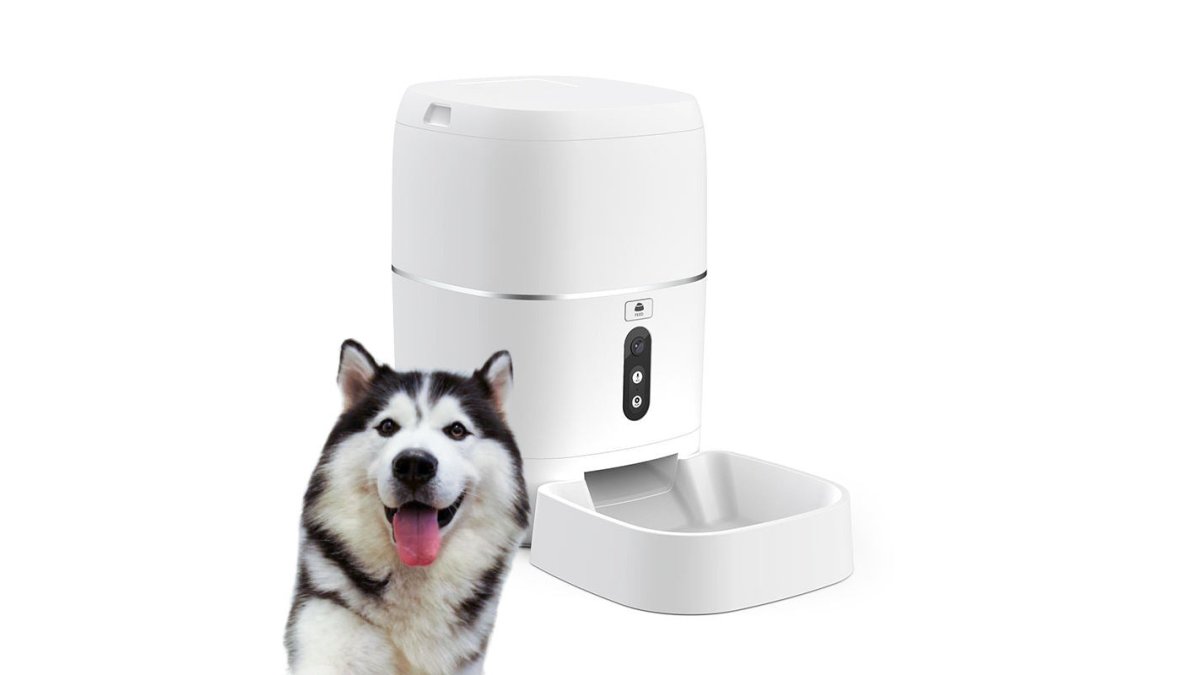
The core difference comes down to three factors: structural durability, portion capacity, and bite-resistant materials.

Prioritize reinforced food hoppers, anti-jam dispensing mechanisms, and heavy-duty materials. The best automatic feeders for large dogs combine practical engineering with real-world durability testing.
Automatic Dog Feeder with Large Capacity: Storage and Meal Planning
Large-capacity hoppers are non-negotiable for big dogs. A 15-liter or larger capacity stores enough dry food for multiple days, reducing refills if you travel or work unpredictable hours.
The Pet Feeder For Cats 6L Automatic Feed Dispenser With Camera offers a 6-liter capacity with dual-port feeding for multiple pets or varying portions.
Capacity planning: a 50-pound dog typically needs 2-3 cups daily, and a 6-liter hopper holds roughly 24 cups, 8-12 days between refills.
Automatic Dog Feeder with Timer: Scheduling Meals for Consistency
Meal timing shapes your dog's digestive health and behavior. Timer-based feeders enforce consistency even when your schedule doesn't.
For large dogs, splitting daily food into two or three meals improves digestion and reduces bloat risk, a serious condition in deep-chested breeds.
The Smart Pet Automatic Feeder Water Feeder at $126.12 offers voice and video versions with scheduled meal dispensing.
Common mistake: programming irregular meal times and expecting your dog to adapt.
Bite-Resistant Automatic Dog Feeder: Durability That Withstands Large Breeds
Large dogs don't set out to destroy feeders, but a 90-pound Labrador leaning on a hopper, a Great Dane pawing at a lid, or a bored German Shepherd mouthing a bowl will expose weak construction within days.
A Four-Test Durability Protocol You Can Run at Home
1. Tipping test. Place the feeder on a hard floor with an empty hopper, then a full one.
2. Pawing test. Press down on the bowl lip and pull outward. The bowl should lock into the housing or seat in a weighted base rather than popping free.
3. Chewing and mouthing test. Inspect the lid latch, hopper seam, and any exposed cord. A determined chewer targets the lid first because that's where food smell escapes.
**4.
What the Materials Actually Tell You
Material names matter less than how they're used. How to read a spec sheet:
- ABS vs. polycarbonate. ABS is common and adequate; polycarbonate is more impact-resistant but pricier. Neither matters if walls are thin, a hopper wall under about 2 mm flexes under paw pressure and cracks at the seam.
- Metal gears vs. plastic gears. Metal drive gears survive repeated jams better; plastic gears are quieter but can strip when large-breed kibble wedges the auger. If the listing doesn't say, assume plastic.
- Stainless steel bowls. These resist scratching and hold up to repeated washing. Plastic bowls develop scratches that harbor bacteria and odor, a real issue for a bowl that sits out all day.
Warranty as a Durability Signal
Warranty length is the manufacturer's own bet on how long the unit lasts.
The Large-Dog Durability Checklist
Before you commit, confirm all of the following:
- Base footprint wider than the hopper, with rubberized feet
- Twist-lock or weighted stainless bowl
- Two-step lid latch
Automatic Pet Feeder Portion Control: Preventing Overfeeding
Overfeeding is the leading cause of obesity in large-breed dogs, and obesity strains joints and shortens lifespans. Automatic feeders with portion control dispense set amounts per meal, but "set amount" is not the same as "accurate amount."
Why Cup Settings Drift
Most feeders let you set portions in "cups" or numbered increments, calibrated at the factory to one reference kibble, usually a mid-size, medium-density piece. Your dog's food is almost certainly different. Three variables change what lands in the bowl:
- Kibble size. Large-breed kibble is often 10-12 mm across. A portion wheel sized for 6-8 mm kibble dispenses fewer pieces per rotation, so a "2-cup" setting can deliver noticeably less.
- Kibble shape. Round pieces flow differently than flat, star, or cross-shaped pieces. Flat kibble stacks and bridges in the hopper; round kibble rolls and can over-dispense.
- Kibble density. Two foods can look identical and weigh very differently. A denser kibble packs more calories into the same volume, so a cup-based setting can quietly overfeed by a meaningful margin.
How to Calibrate Your Feeder in 15 Minutes
Do this once at setup, and again whenever you change food brands or formulas.
Smart Pet Automatic Feeder Water Feeder →
- Weigh a known volume. Use a kitchen scale that reads in grams. Weigh one level cup of your dog's kibble three times and average, this gives you grams per cup for your specific food.
- Run a test dispense. Set the feeder to your planned portion and dispense over a sheet of paper or tray to catch strays.
- Weigh the output. Weigh the dispensed food. Divide by your grams-per-cup figure to get the actual cups delivered.
- Adjust and repeat. If the feeder delivered 1.7 cups on a "2-cup" setting, raise the setting until weighed output matches your target. Re-run twice to confirm consistency.
- Log the result. Write the setting and weighed output on a note inside the hopper lid, you won't remember it in three months.
Portion Math for Large Breeds
A 50-pound dog typically needs about 2 to 3 cups of dry food daily, split across two or three meals; a 90-pound dog may need 3 to 5 cups.
Small increment adjustments matter more than owners expect. The difference between 2 cups and 2.25 cups daily is roughly 12 percent more food, enough to cause gradual weight gain over a season.
Multi-Dog Households and Food Guarding
Portion control gets harder when two dogs share a feeder. A dual-port or dual-bowl feeder doesn't prevent one dog from finishing first and pushing the other off. If you have a guarder or faster eater:
- Separate feeders in separate rooms, scheduled to dispense at the same time.
- A feeder with a microchip- or collar-tag reader, which opens only for the registered dog. These cost more and work best with a single-dog bowl, so you need one unit per dog.
- Supervised feeding during a transition period until each dog respects the other's bowl.
No automatic feeder replaces supervision with a known resource guarder. If one dog has drawn blood over food, feed them separately by hand or in crates, and treat the feeder as a convenience for the non-guarding dog only.
What Happens When the Power or Wi-Fi Drops
Portion accuracy is only useful if the feeder still works. Before relying on any model, confirm:
- Battery backup. Most quality feeders run on AC power with battery backup (often D-cell or AA). Test by unplugging and confirming it still dispenses on schedule.
- Local schedule storage. The feeder should hold its schedule in onboard memory, not the cloud. If the schedule lives only in the app, a Wi-Fi outage means missed meals.
- Manual feed button. A physical button lets you dispense a meal when the app is down.
Smart Pet Automatic Feeder Water Feeder: Remote Monitoring and Video Interaction
Video-enabled feeders let anxious owners monitor and interact with their dogs remotely. The Smart Pet Automatic Feeder Water Feeder ($126.12) includes voice and video versions with two-way audio and real-time monitoring through the TUYA app.
Remote monitoring answers the question busy owners ask most: "Is my dog actually eating?" You get visual confirmation rather than assuming food disappeared.
The voice feature lets you call your dog to the feeder, establishing routine and providing comfort when you're away.
Pet Feeder For Cats 6L Automatic Feed Dispenser With Camera: Large-Capacity WiFi Option
The Pet Feeder For Cats 6L Automatic Feed Dispenser With Camera ($73.96) combines large capacity with WiFi and camera monitoring at a lower price than the Smart Pet model.
This feeder offers dual-port feeding with opposing bowls, practical for multi-dog households or feeding pets separately. The stainless steel bowl option is durable and easier to clean than plastic.
Remote control through the app lets you dispense extra meals on demand if you're running late.
| Feature | Smart Pet Feeder | 6L WiFi Feeder | Best For |
|---|---|---|---|
| Capacity | Smaller hopper | 6 liters | Multi-dog homes |
| Price | $126.12 | $73.96 | Budget-conscious owners |
| Video | Yes, two-way audio | Yes, wide-angle | Remote monitoring |
| App Control | Full remote portion adjustment | Remote dispensing | Flexible feeding |
| Best For | Premium features, single dogs | Large capacity, multiple dogs | Cost-effective monitoring |
How to Choose the Right Automatic Feeder for Your Large Dog
Start by answering three questions: How much does your dog weigh? How long are you away daily?
Dogs under 50 pounds can use standard feeders with adequate durability.
Next, assess your lifestyle. If you travel 3-4 days weekly, video monitoring and remote portion control become valuable.
Consider your dog's eating style. Aggressive eaters benefit from anti-jam mechanisms and reinforced hoppers.
Finally, verify the feeder handles your dog's kibble size.
Frequently Asked Questions
Are automatic feeders worth it for large dogs?
Yes, automatic feeders benefit large dogs by maintaining consistent meal schedules even when owners work long hours or travel. They prevent overeating through portion control and reduce begging behavior. For busy professionals, remote monitoring via video-enabled models like the Smart Pet Automatic Feeder Water Feeder ($126.12) provides peace of mind. However, success depends on choosing a durable model rated for your dog's size and weight, and ensuring the feeder's portion settings match your veterinarian's feeding recommendations.
How much food capacity should an automatic feeder for a large dog have?
Large dogs typically eat 2-4 cups per meal, so aim for at least 12-15 liters (3-4 gallons) of storage capacity to handle multiple days of feeding without refilling. The Pet Feeder For Cats 6L Automatic Feed Dispenser With Camera ($73.96) offers a 6-liter capacity, suitable for medium-sized portions or multiple smaller meals. For dogs eating 3+ cups daily, a larger hopper prevents frequent refills and reduces the risk of running out of food during work trips or travel.
Can an automatic feeder dispense large portions for a big dog?
Most automatic feeders with timer and portion control settings can dispense large portions, but verify the kibble size compatibility and hopper design. Large kibble (over 12mm) can jam in feeders with narrow dispensing mechanisms. The Smart Pet Automatic Feeder Water Feeder features a voice version and video version in ABS material designed to handle standard dry kibble sizes. Always test the feeder with your dog's specific food and portion size before relying on it for daily feeding.
How do you keep a large dog from breaking into an automatic feeder?
Choose a bite-resistant automatic dog feeder with heavy-duty ABS or stainless steel construction. The Smart Pet Automatic Feeder Water Feeder uses ABS material and features a secure locking mechanism. Place the feeder in a secure location, away from direct access during unsupervised periods. Avoid feeders with plastic-only bowls; stainless steel bowls like those in the Stainless Steel Pet Adjustable Feed Bowl Double Feeder ($22.60) resist damage better. Test durability with your dog's bite force before purchasing, and monitor initial use to ensure the feeder withstands your dog's behavior.
What should I do if my automatic feeder fails or loses WiFi connectivity?
Automatic feeders with WiFi connectivity should have a backup power option and manual override. The Smart Pet Automatic Feeder Water Feeder includes USB power, so keep a backup charger available. If WiFi drops, most models retain their scheduled programming and continue dispensing meals on the set timer. Always maintain a manual feeding backup plan: keep dry food accessible and establish a routine with a neighbor or pet sitter in case of extended outages. Test your feeder's offline functionality before relying solely on remote monitoring.
Choosing the right feeder keeps your large dog healthy, maintains consistent feeding schedules, and gives you peace of mind while you're away. Mac & Ellies pet shop's automatic pet feeders with video interaction capabilities simplify pet feeding routines and allow remote pet interaction, exactly what busy owners need. Explore our collection of automatic feeders designed for large breeds, and find the model that matches your schedule and your dog's needs.
0 comments