

Table of Contents
- Why Dog Hip Health Deserves a Place in Your Daily Routine
- How to Prevent Hip Dysplasia in Dogs Before Problems Start
- Dog Hip Dysplasia Symptoms You Should Not Ignore
- Weight Management and Nutrition for Stronger Hips
- Exercises for Dogs with Hip Dysplasia and Everyday Mobility
- Dog Hip and Joint Supplements: What to Look For
- Home Setup and Comfort Aids That Protect the Hips
- Frequently Asked Questions
Last Updated: October 18, 2026
Why Dog Hip Health Deserves a Place in Your Daily Routine
Hip dysplasia is one of the most common orthopedic conditions in dogs, and it develops slowly, often without obvious signs until damage has built up.
The core idea is simple: hips stay healthier when dogs stay lean, stay active at a moderate level, and get checked early. A peer-reviewed review of canine hip dysplasia management describes lifelong body mass maintenance as one of the most promising conservative approaches.
Here is what most guides get wrong: they treat hip problems as something you fix after lameness appears. In practice, the work happens before symptoms start.
How to Prevent Hip Dysplasia in Dogs Before Problems Start
Prevention starts with two things you can control: genetics and daily habits. You cannot change your dog's parents, but you can screen for risk and manage weight, exercise, and environment from puppyhood. The mistake most owners make is applying one plan for the dog's whole life. Hip health needs change at each life stage, and the checkpoints below are where a veterinarian's input matters most.
Breed Risk and Genetic Screening
Large and giant breeds carry higher risk, including German Shepherds, Labrador Retrievers, Golden Retrievers, Rottweilers, and Bulldogs. If you are buying a puppy, ask the breeder for hip screening results on both parents. The Orthopedic Foundation for Animals maintains a public database of hip evaluations, which lets you check lineage before you commit.
For owners of a predisposed breed, the practical move is early veterinary assessment rather than waiting for a limp. A veterinarian can palpate the hips, watch the gait, and recommend when to consider imaging.
Life-Stage Prevention: Puppy to Senior
Puppies (under about 12-18 months). Growth rate matters more than total size.
Adults (roughly 1-7 years, depending on breed size). This is where maintenance habits pay off. Keep body condition lean, exercise daily at a moderate level, and build muscle strength through controlled activity rather than bursts of intense play.
Seniors (varies by breed size). Shift toward low-impact movement, warmth, and soft bedding. Shorter, more frequent walks often work better than one long outing. Watch for muscle loss along the back and hindquarters, which changes how the hip joint is supported.
Environmental Prevention From Day One
Hip strain is not only about exercise volume. Slippery floors, repeated stair climbs, and jumping in and out of vehicles add up. Put runners or non-slip mats on tile and hardwood along main paths, use a ramp for car access when your dog is large or already stiff, and keep resting spots cushioned. These changes cost little and reduce the small daily loads that accumulate over years.
When to Ask a Veterinarian
Bring up hip health proactively if your dog is from a predisposed breed, has a family history of hip dysplasia, is growing rapidly, or shows any change in gait, stamina, or willingness to climb stairs. Early conversations are cheaper and easier than waiting for lameness, and they let you adjust exercise and nutrition while the joint is still healthy.
Dog Hip Dysplasia Symptoms You Should Not Ignore
Dog hip dysplasia symptoms usually appear gradually. Watch for a bunny-hopping gait, stiffness after rest, reluctance to climb stairs, reduced range of motion in the back legs, and fatigue on walks your dog used to handle easily.
Lameness that comes and goes is a common early sign. So is a dog who sits oddly or shifts weight forward. Any of these warrant a veterinary assessment rather than a wait-and-see approach.
Weight Management and Nutrition for Stronger Hips
Extra weight is the single biggest daily stress you can put on a dysplastic hip. Overfeeding pushes more load through the joint with every step.
Start by measuring meals instead of free-feeding. Use a body condition score chart, and aim for a lean but not thin build where you can feel ribs easily.
- Measure portions with a scale, not a scoop
- Cut treats to a small share of daily calories
- Recheck weight monthly
- Ask your vet for a target weight range
For busy owners who travel, consistent portion timing matters too. Our large dog stroller is designed for pet owners looking for a practical way to take their companions along on walks, trips, and everyday adventures.
Exercises for Dogs with Hip Dysplasia and Everyday Mobility
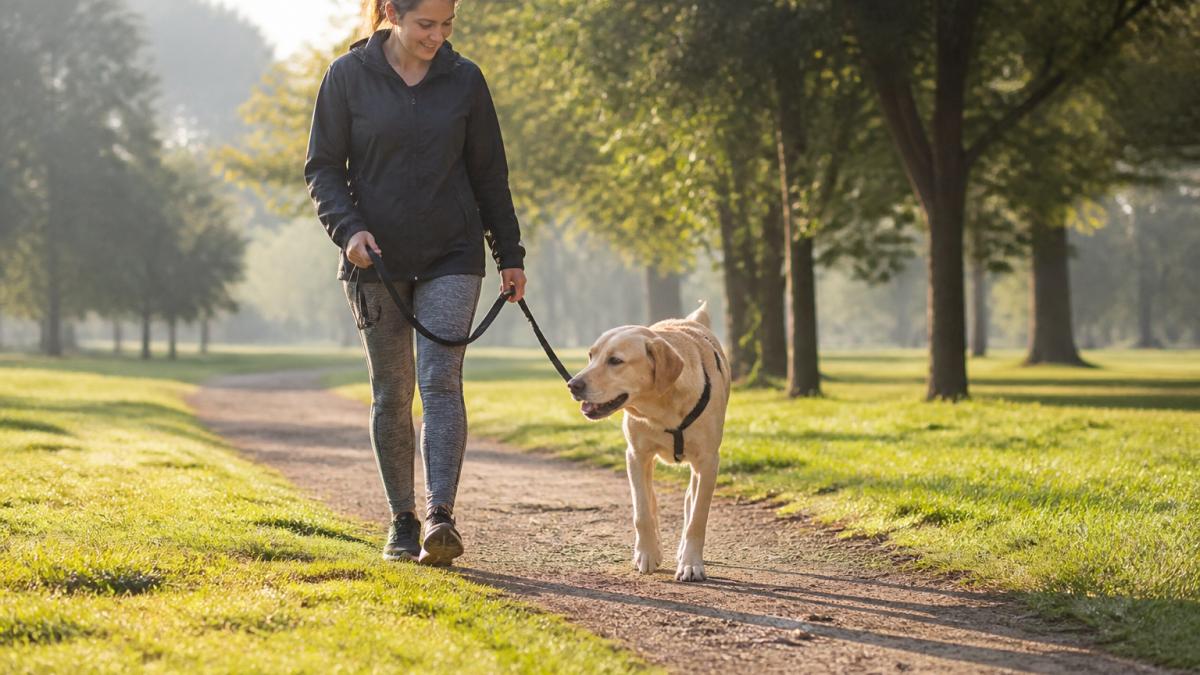
Exercise for dogs with hip dysplasia should be regular and moderate, never excessive and never absent. Veterinary guidance is consistent on this point: Veterinary Partner's hip dysplasia guidance recommends moderate activity while avoiding both inactivity and strenuous exertion.
Large dog stroller showing the full foldable frame and pet compartment →
Good options include:
- Walking: Short, frequent walks on soft ground beat one long weekend hike.
- Swimming: Water supports the body and reduces joint load.
- Stretching and massage: Gentle passive range-of-motion work keeps flexibility up.
- Physical therapy: A rehab vet can build a targeted plan.
Avoid free running on hard pavement, sharp turns, and repeated jumping.
A Practical Weekly Maintenance Plan
| Day | Activity | Duration |
|---|---|---|
| Monday | Leash walk, flat ground | 20 min |
| Tuesday | Swimming or water treadmill | 15 min |
| Wednesday | Rest plus gentle stretching | 10 min |
| Thursday | Leash walk, slow pace | 20 min |
| Friday | Passive range-of-motion and massage | 10 min |
| Saturday | Sniff walk on grass, off-leash control | 25 min |
| Sunday | Rest and weight check | 5 min |
Track exercise tolerance week to week. If your dog is sorer the next day, you went too far.
Dog Hip and Joint Supplements: What to Look For
Dog hip and joint supplements can help some dogs, but the evidence varies by ingredient and product. That variation is the part most buying guides skip. A label that says "joint support" tells you almost nothing; what matters is which ingredients are included, at what amount, and whether the product is made to a consistent standard. Treat supplements as one part of the plan, not a replacement for weight control, exercise, or veterinary care.
What the Evidence Actually Supports
Glucosamine and chondroitin are the most familiar ingredients, and they are also the ones with the most mixed research. Some dogs appear to improve on them, while controlled studies have not produced consistent results across the board. Omega-3 fatty acids from fish oil or green-lipped mussel have a more consistent evidence base for supporting joint comfort, though dose matters. Antioxidants and other ingredients are common in formulas but are usually supported by less direct evidence. A reasonable takeaway: expect modest, gradual support at best, and give any product several weeks before judging whether it helps your dog.
Ingredient and Dose Differences That Matter
Two products can both list glucosamine and still be very different. Look for:
- Named ingredients with a stated amount per serving. "Joint blend, 500 mg" hides how much of each ingredient is present. You want glucosamine HCl or sulfate, chondroitin sulfate, and omega-3s listed separately with amounts.
- A dose that matches your dog's weight. A large-breed dog needs a different amount than a toy breed, and many labels give a loading dose followed by a maintenance dose. Follow the label for your dog's weight, and confirm with your veterinarian.
- Form that suits your dog. Chews, powders, and soft chews differ in palatability and how easily you can split a dose. Powders let you adjust more precisely for a large dog.
- A lot number and maker contact information. These are basic quality signals. If a product has neither, that is a reason to look elsewhere.
Product Quality and Safety Signals
Supplements are not reviewed by the FDA for effectiveness before sale, so quality depends heavily on the maker. Favor products from companies that publish a certificate of analysis, state where ingredients are sourced, and provide a phone number or email for questions. Avoid products with vague proprietary blends, unstated ingredient sources, or claims that sound like drug claims (for example, promising to "cure" arthritis). If your dog takes prescription medication or has a health condition, check with your veterinarian before adding anything, because interactions and extra ingredients can matter.
A Simple Evaluation Checklist
- Are the active ingredients named with amounts per serving?
- Does the label give a dose for your dog's weight?
- Is there a lot number and a way to contact the maker?
- Does the maker publish quality or sourcing information?
- Has your veterinarian confirmed it fits your dog's case and medications?
If a product fails two or more of these, keep looking. The best supplement for your dog is one your veterinarian agrees with, dosed correctly, and paired with lean body condition and steady, moderate exercise.
Home Setup and Comfort Aids That Protect the Hips
Slippery floors are a hidden hazard. A dog with weak hips that slips on tile can lose confidence and move less, which speeds muscle loss. Add runners, rugs, and non-slip mats along main paths.
Provide supportive, low-entry bedding so your dog can rest without a big step up.
Keep food and water within easy reach, and use ramps instead of stairs where you can. For outdoor trips, a large dog stroller lets a tired dog rest while you keep moving.
Frequently Asked Questions
At what age do dogs start having hip problems?
Hip dysplasia can show up early. Many dogs with the condition begin showing signs between 4 and 12 months of age, while others develop osteoarthritis in the hips later in life. Large and giant breeds tend to show symptoms sooner because of their rapid growth rate. If your puppy limps after play, is reluctant to rise, or bunny-hops when running, book a veterinary assessment rather than waiting. Early detection gives you more options for managing dog hip health through weight control, exercise changes, and joint support.
Which dog breeds are most prone to hip dysplasia?
Large and giant breeds carry the highest risk, including Labrador Retrievers, Golden Retrievers, German Shepherds, Rottweilers, Bernese Mountain Dogs, and Saint Bernards. Bulldogs and Pugs can also be affected. Breed alone does not decide your dog's future, though. A lean body condition, controlled exercise during growth, and regular veterinary checkups matter just as much. If you are buying a puppy from a breeder, ask for hip screening results on both parents, since genetics play a large role in how to prevent hip dysplasia in dogs.
Can keeping a dog at a healthy weight help protect its hips?
Yes. Carrying extra weight puts more load on the hip joints every time your dog stands, walks, or climbs stairs. A 2015 review of canine hip dysplasia management published in PubMed Central describes lifelong maintenance of body mass as one of the most promising conservative methods for managing the condition. You should be able to feel your dog's ribs without pressing hard and see a waist from above. Weigh your dog monthly and adjust portions rather than free-feeding, especially in multi-dog homes.
When should I take my dog to the vet for hip or mobility problems?
Call your vet if you notice lameness that lasts more than a few days, reluctance to climb stairs or jump into the car, stiffness after rest, or a sudden drop in exercise tolerance. Prompt care matters more if your dog yelps when touched near the hips, drags a leg, or stops eating. Veterinary Partner notes that dogs with hip osteoarthritis do best with regular, moderate activity, so a vet can help you set the right level. Do not start a new exercise or supplement routine for a limping dog without a diagnosis first.
Hip health is a daily practice, not a single purchase. The challenge is staying consistent with weight, exercise, and comfort when life gets busy. At Mac & Ellies pet shop, we stock practical tools that make the routine easier, including video-interactive automatic feeders, hanging cage bowls, and supportive bedding. Get started with Mac & Ellies pet shop and give your dog a steadier, more comfortable stride.
0 comments